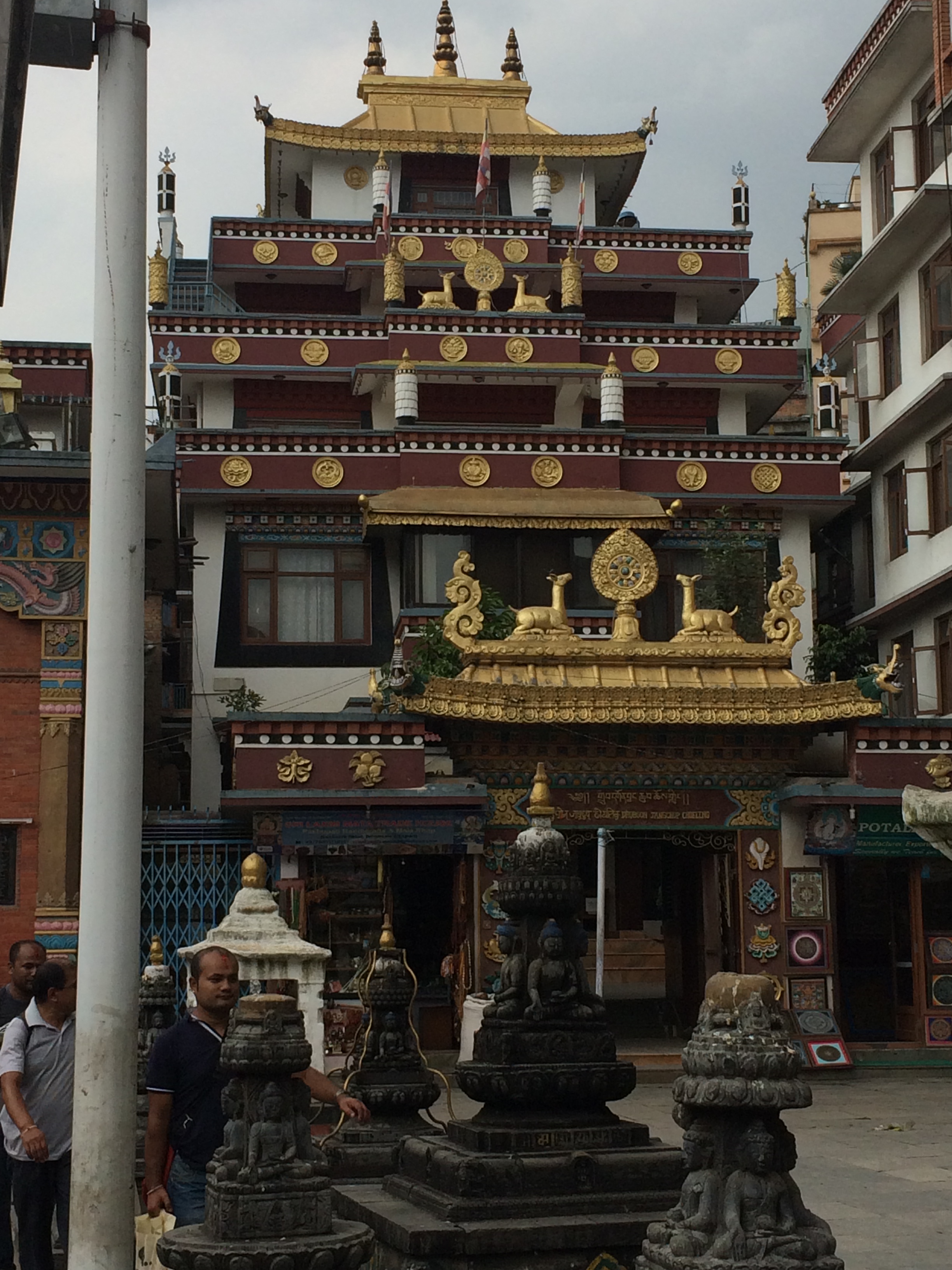
So much to see! Kathmandu is a rather expansive city designed with twisting streets and interconnecting alleyways filled with shops, mo mo’s and dal pancakes, and bustling people dressed in ethnic garb. Every corner you turn there are giant temples or what they call Stupas, filled with people of worship and tourists alike.
Today I toured around Thamel and neighboring Stupas with Ganga from WPC Nepal. Her ability to navigate the city paired with frequent stops for directions was impressive! My head was spinning leaving me directionless, so I was very thankful for my guide. We started with a bus ride to Shree Boudhanath, a temple for wish granting. Upon entry at most of the world heritage sites, foreigners typically have to pay a fee, somewhere around $15USD per site to enter, I presume will help fund post-earthquake construction.
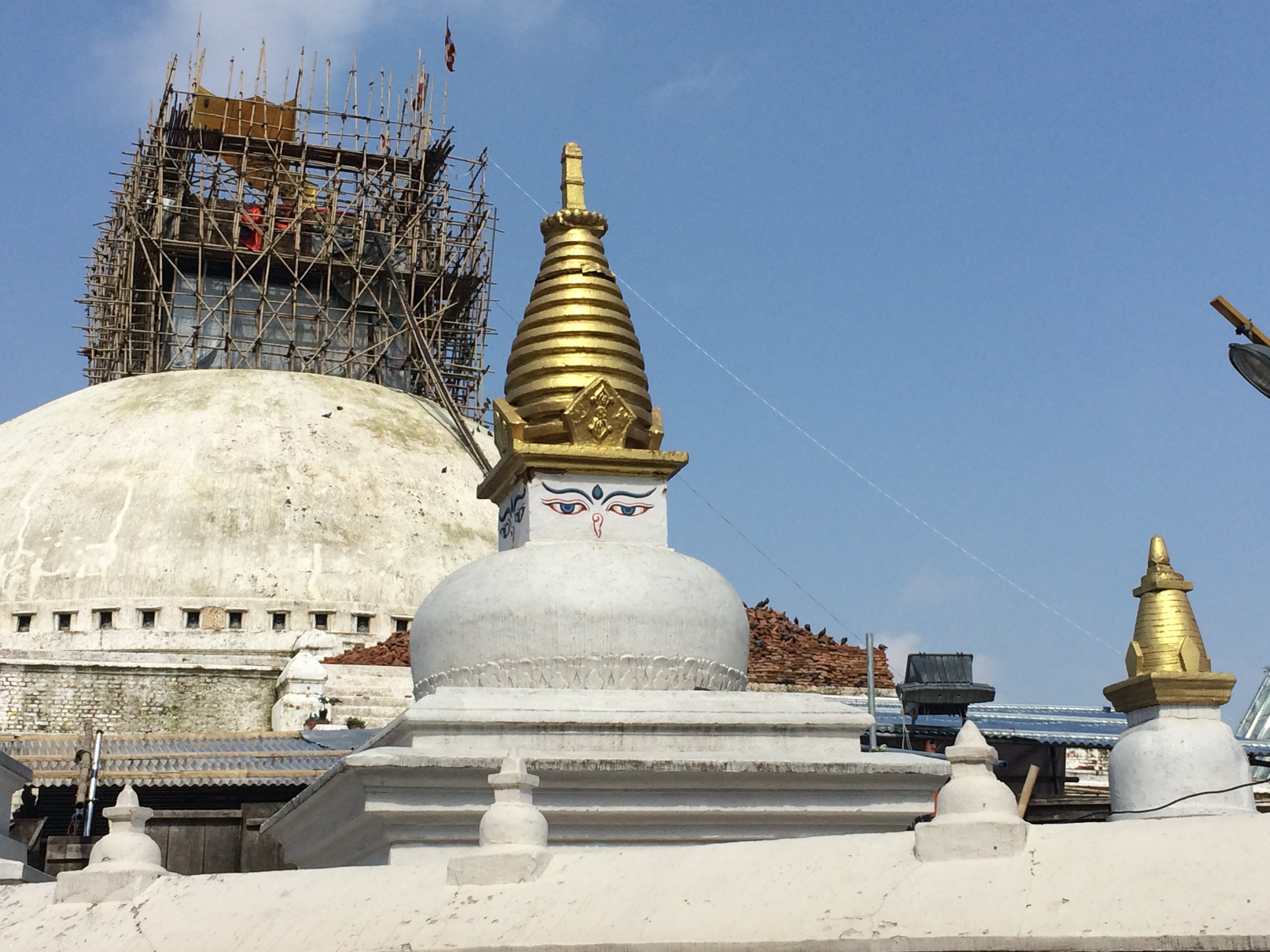
I found an image online that depicts the symbolism behind each layer of the temple rather well. Read more here.

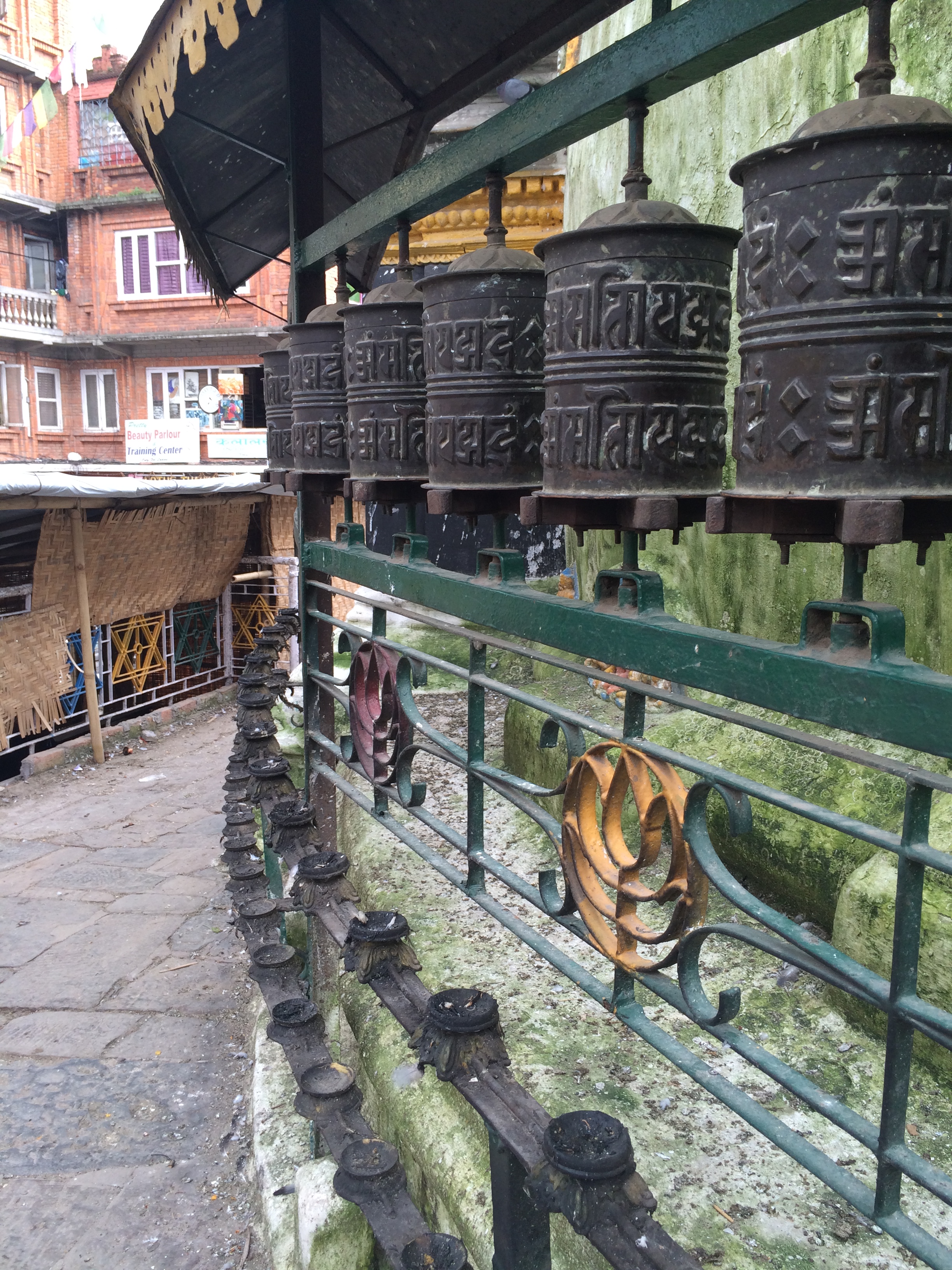
Here we fed the pigeons as an act of daily offering, spun the prayer wheels and marveled at the numerous Hindu statues before carrying on to the next location, Pashupatinath Temple.
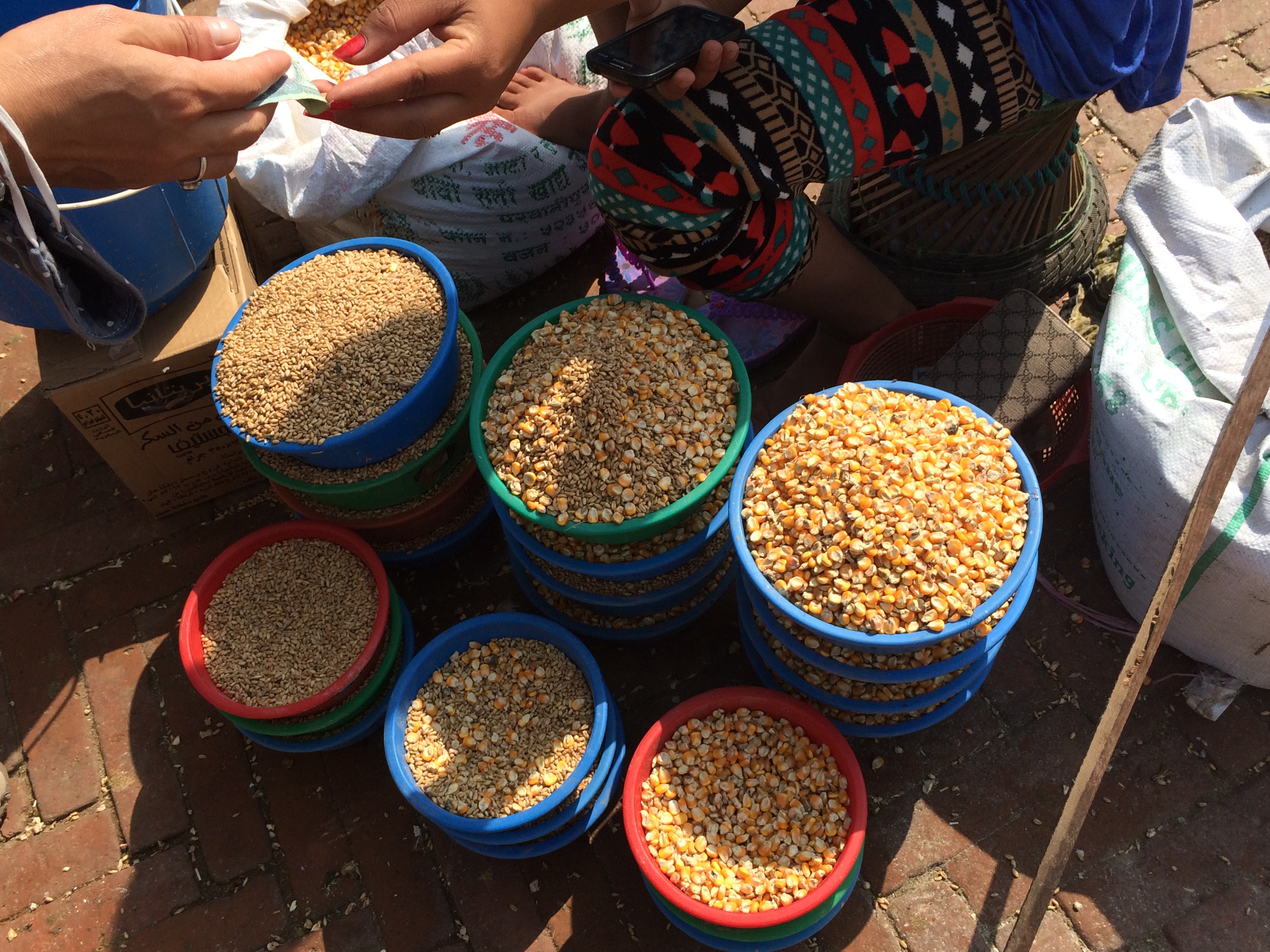
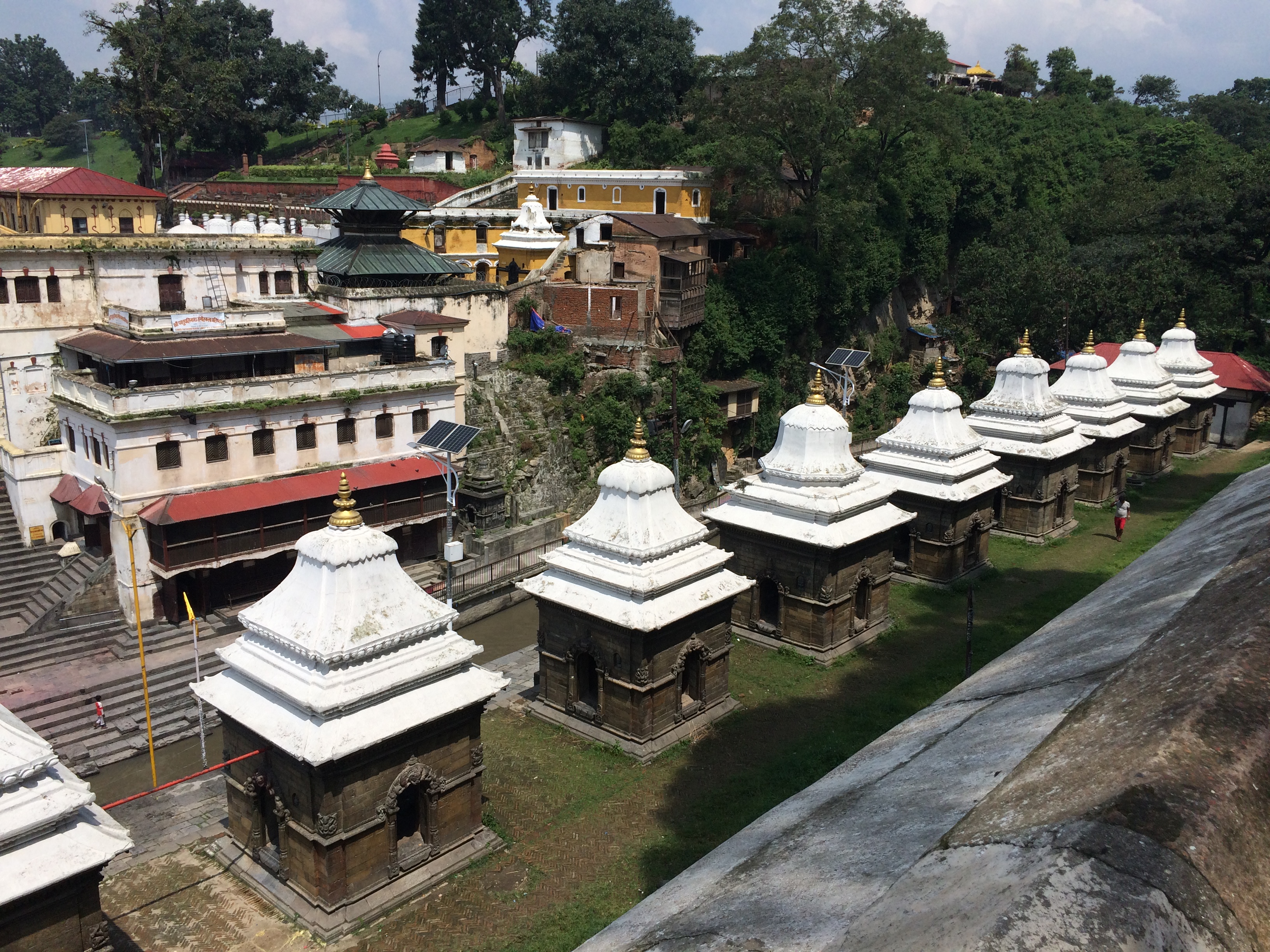
Pashupatinath is one of the few temples that actually restricts non-Hindu visitors. This is the cremation site for all Hindu in the Kathmandu Valley. Bodies are cremated on large squares right on the Bagmati River. Once the ceremony is complete, the ash is swept away into the river initiating the reincarnation process. About 10 yards downstream children are playing a game remarkably resembling Marco Polo. It is also the primary drinking water source for the valley… Bottled water for me, thanks!

At this site there is also a line of temples worshiping the God of fertility. Men and Women alike placed themselves in these stone structures praying for themselves, family members, or spouses fertility.

Monkeys, dogs, and the occasional cat have taken up residence on the grounds of the temples along with the monks who have dedicated their lives to serving their gods.
At the far end of the site there was a temple dedicated to the 5 elements in Eastern  culture; fire, wind, water, earth, and sky. This was a home to the elderly or cripple who did not have a family to care for them where they could pray to the elements to bring them towards enlightenment.
Next we moved back toward Thamel and explored the Durbar Square. This is perhaps one of the most famous sites and was sadly heavily impacted by the earthquake leaving much of the structures inaccessible or non-existent. Near the entrance is one of the largest boarding schools in Kathmandu, which has now been temporarily replaced with tent structures housing more students than desk space available. We watched two rebel youngsters sneak out the back to play outside. I’d probably do the same.
Different from most temples I’ve seen thus far, Gaddi Baitak is a neoclassic palace built by Rana Prime Minister Chandra Shamsher. It had white columns and blue detailing, making it look like it belonged in Greece.

A spectacular column that had once been standing in the very center called King Pratap Malla’s Column had now fallen:
We walked through a few shops on the way back home and stumbled upon another site, hidden from plain view called Kathsimbhu’s Temple. School children ran around the temple, celebrating life during recess. There were relics on the temple’s outer walls that we assume were originals as they were guarded behind numerous locks and layers of protection.
Here we spoke with a 7 year art student training to be a master mandala painter. He explained that there are four types of mandala’s; Mantra (108 words repeating during worship), Buddha, Dali Lama (elements along the outside rim leading to enlightenment in the center), and the last one has escaped my memory. Each is used as the focus during meditation. Each Mandala is painted by three separate individuals at varying stages of their profession. The student has the largest brush, only allowing him to provide so much detail. As you work towards master, the brush gets smaller until finally it is only a single hair. The master is responsible for painting the final details, usually with 24K gold. A single 8″x8″ painting can take anywhere from 2 to 4 weeks to finish. Talk about patience. I like my paintings to take about 2 to 4 hours.
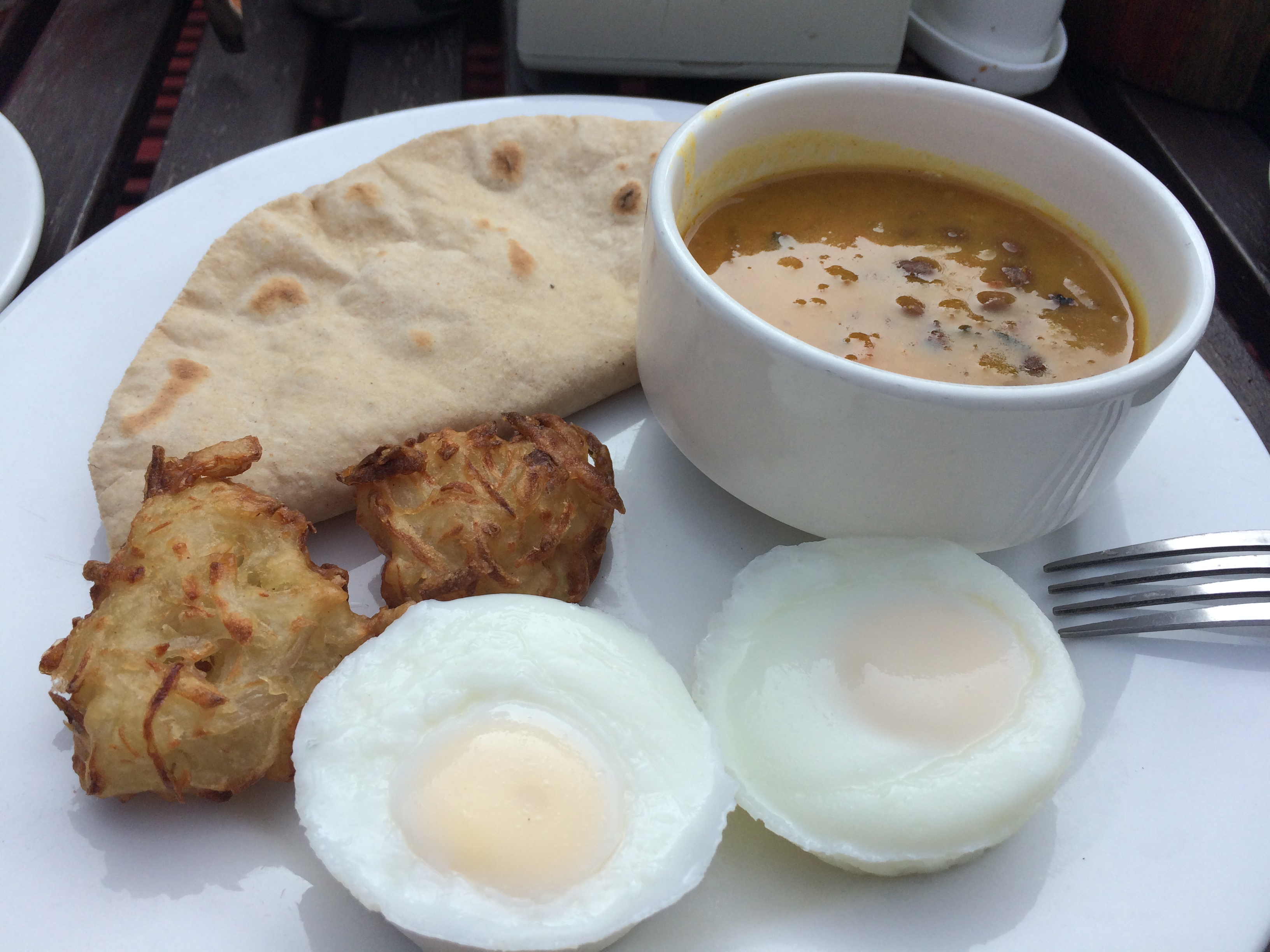
I’m currently sitting in the guest house watching the rain. I’ll have to follow up with a post on the food – three meals in and I’m in love.
 Journeying Jennifer
I remember some of the mantras..one of which goes like “oh man pay me for my bread” I kid you not! Had me laughing the whole trip! Well that is until the icefall…:(
Love your messaging!
Don’t play down stream from the crematory…hate to think about the Karma that would create! 🙂
Love you!
LikeLike
Sounds like you would need to switch mantras and start praying for safety at that point aye father?
And I’ll do my best. No promises if I’m desperate for a bath later… ❤
LikeLike
Thank you for the fascinating post and pictures! You made it much easier for me to picture you in this foreign land. Stay safe. Lots of love!
MJ
LikeLiked by 1 person